Blog






Strong winds are one of the most common concerns homeowners have when choosing a fence.
Vinyl fencing is known for its durability and low maintenance, but how well does it actually perform in windy conditions? For homeowners looking for a wind resistant fence, the answer depends on several key factors, from design and materials to installation quality.
What is a Standard Vinyl Fence Wind Rating?
Homeowners often ask how much wind a vinyl fence can handle. The truth is that the relationship between vinyl fence and wind isn’t always defined by a single number. Unlike roofs or windows, vinyl fences don’t have one universal wind rating. Wind resistance depends on fence design, height, post spacing, and installation quality.
Most properly installed residential vinyl fences can withstand winds of approximately 60 to 80 mph, which is sufficient for moderate weather conditions. In coastal or high-wind regions, performance can be improved with the right configuration.
Solid privacy fences and open-style fences behave very differently in wind. Solid panels catch more pressure, while designs with spacing allow airflow to pass through, reducing stress on posts and panels.
In simple terms, vinyl is strong and flexible, but true wind resistance comes from the combined system, not the material alone.
Choosing the Best Vinyl Fence for Wind
Not all vinyl fences perform the same way in windy conditions. Choosing the right design can make a real difference in how well a fence holds up over time.
One of the most important factors is fence style. Solid privacy fences offer maximum seclusion but catch more wind. Picket or semi-privacy fences allow airflow to pass through, reducing overall wind load and structural stress.
Fence height also plays a role. A 6-foot fence experiences more force than a 4-foot fence under the same conditions. When privacy is needed, combining moderate height with proper reinforcement often provides the best balance.
Another key consideration is panel construction. Thicker panels and reinforced rails help the fence flex under pressure without cracking or detaching. Quality vinyl is designed to bend slightly and return to shape.
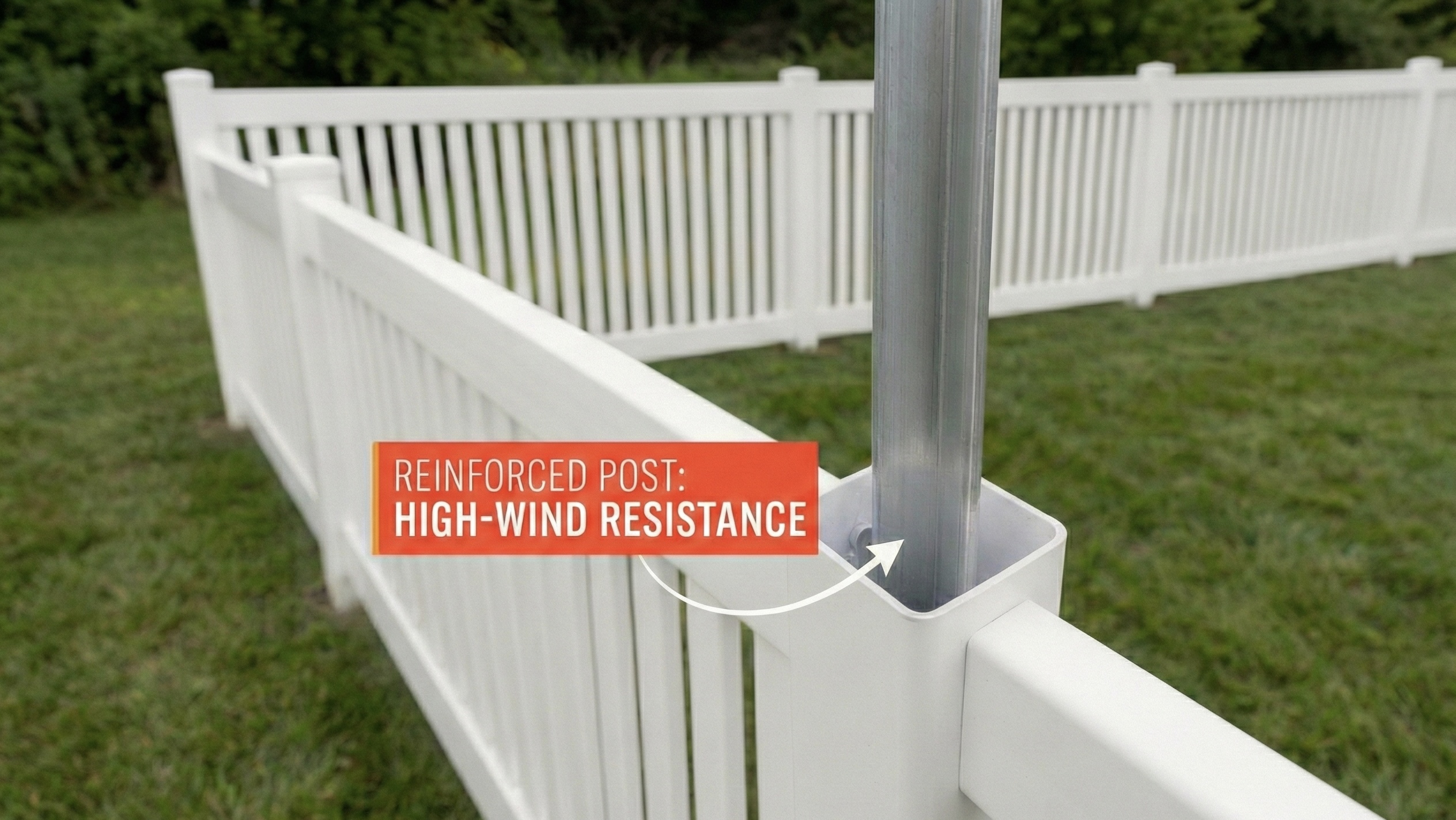
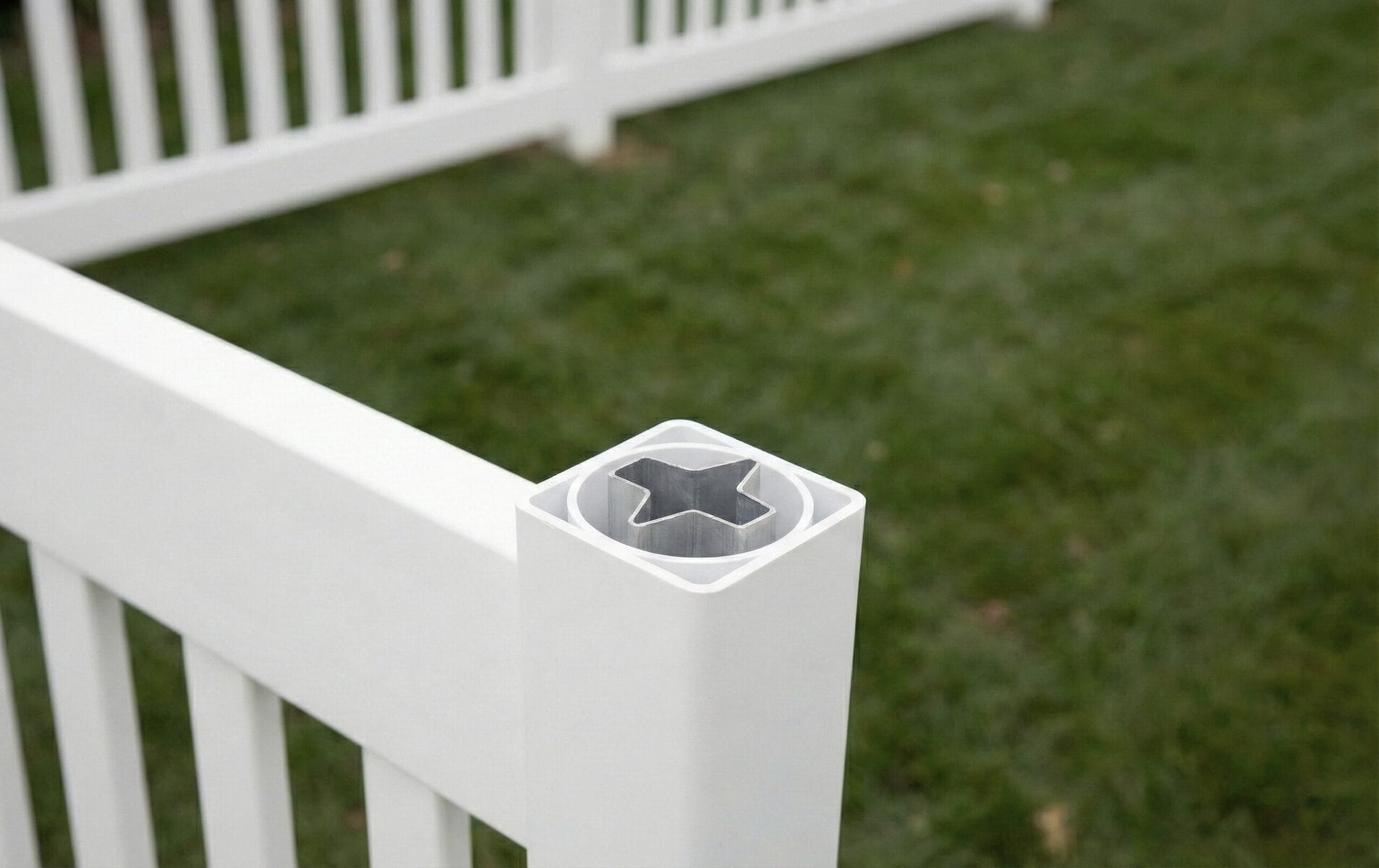
Finally, post spacing and reinforcement matter. Closer post spacing and steel-reinforced posts improve wind resistance and long-term stability.
Maintenance: The Longevity Factor
One of the biggest advantages of vinyl fencing is its low maintenance, but “low” doesn’t mean “none.” Even wind-resistant vinyl fences perform better and last longer when they’re properly cared for over time.
Unlike wood, vinyl doesn’t rot, warp, or absorb moisture. Still, wind stress adds up over time. Repeated gusts can slowly loosen posts or rails if small issues are ignored.
A visual inspection a few times a year goes a long way. Look for loose posts, shifting panels, or gaps at connection points. These problems are often easy to fix early but can lead to larger damage during strong winds.
Ground stability also matters. Soil can settle over time, causing posts to lean and putting extra strain on the fence. Addressing these changes early helps preserve the fence’s strength and long-term wind resistance.
- That is why we provide a Lifetime Warranty, ensuring your investment remains as durable and beautiful as the day it was installed.
Common Causes of Vinyl Fence Wind Damage
When a vinyl fence fails during strong winds, the wind itself is often blamed first. In reality, most wind-related damage is caused by underlying issues that were already present before the storm.
- One common cause is improper installation. Posts that aren’t set deep enough or secured with sufficient concrete are far more likely to shift or lean under wind pressure. Even high-quality vinyl panels can fail if the foundation isn’t stable.
- Fence design also plays a major role. Solid privacy fences without airflow openings experience higher wind loads, especially over long, continuous runs. In these conditions, a wind resistant vinyl privacy fence is often a more reliable choice when designed and installed properly.
- Another factor is age and ground movement. Over time, soil can settle or erode, reducing post stability. What starts as a minor lean can turn into panel separation or collapse.
- Environmental exposure matters as well. Fences placed on hillsides, open lots, or areas with little wind protection are naturally more vulnerable. In these locations, wind speeds and gusts are often stronger than in more sheltered neighborhoods.
Installation Tips to Improve Vinyl Fence Wind Resistance
Strong wind resistance starts with smart planning and proper installation. The right choices upfront can prevent many common fence issues later on.
- Choose high-quality vinyl materials. Not all vinyl fencing offers the same strength. Thicker panels and reinforced components can play an important role in building a wind proof vinyl fence.
- Rely on professional installation. Proper post depth, concrete setting, and spacing are critical for wind resistance. Experienced installers ensure the fence is built to handle real-world conditions, not just look good on day one.
- Select the right fence style and height. Solid privacy fences catch more wind, while open designs allow airflow. Taller fences face higher wind loads, especially in exposed areas, so matching the design to the location is key.
- Consider terrain and exposure. Open lots, slopes, and elevated areas experience stronger winds and may require additional reinforcement to maintain stability.
- Inspect the fence after strong winds. Vinyl is low maintenance, but windy conditions call for occasional checks. After severe gusts, inspect posts and panels and reinforce connections if needed.
Frequently Asked Questions
How to brace a vinyl fence against wind?
Reinforcing fence posts with deeper concrete footings or steel inserts improves stability. In high-wind areas, reducing panel span and reinforcing weak points can make a big difference.
How much wind can a vinyl fence withstand?
Most properly installed vinyl fences can handle winds around 60–80 mph. Higher resistance is possible with reinforced systems and professional installation.
How to protect a vinyl fence from wind?
Choose the right fence style, ensure quality installation, and inspect the fence after strong winds. Addressing small issues early helps prevent vinyl fence wind damage and costly repairs.
Are vinyl fences wind resistant?
Yes, vinyl fences are naturally flexible and durable, making them more wind resistant than many materials.
Phone: +1 888-735-8833
Email: info@calcoast.us
Related Services