Blog
Table of Content
Table of Content
- Best Fence for Dogs: Pet-Safe Vinyl & Aluminum Fencing
- What Makes a Fence Good for Dogs?
- Best Fence Materials for Dogs Compared
- Vinyl Fencing for Dogs
- Aluminum Fencing for Dogs
- How Tall Should a Fence Be for a Dog?
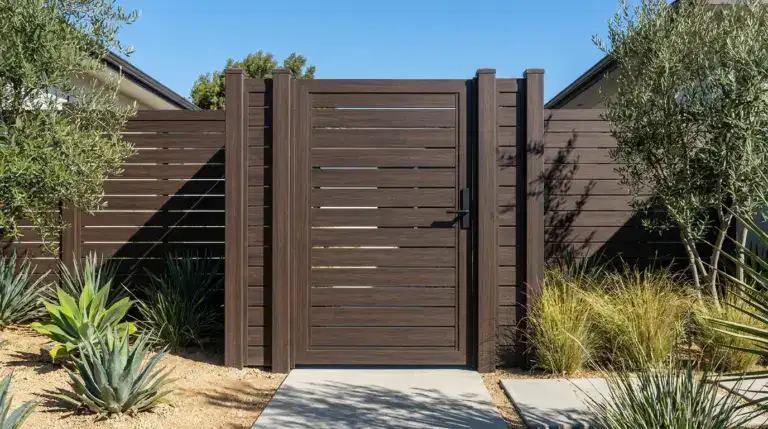
- Best Privacy Fence for Dogs
- Dog Fence Ideas & Design Features
- Dogs, Pools & Yard Safety in Los Angeles





Best Fence for Dogs: Pet-Safe Vinyl & Aluminum Fencing

David A.
David is the Inspection Manager at CalCoast Fencing. He reviews fence and gate project details and helps the team identify site conditions that may affect installation.
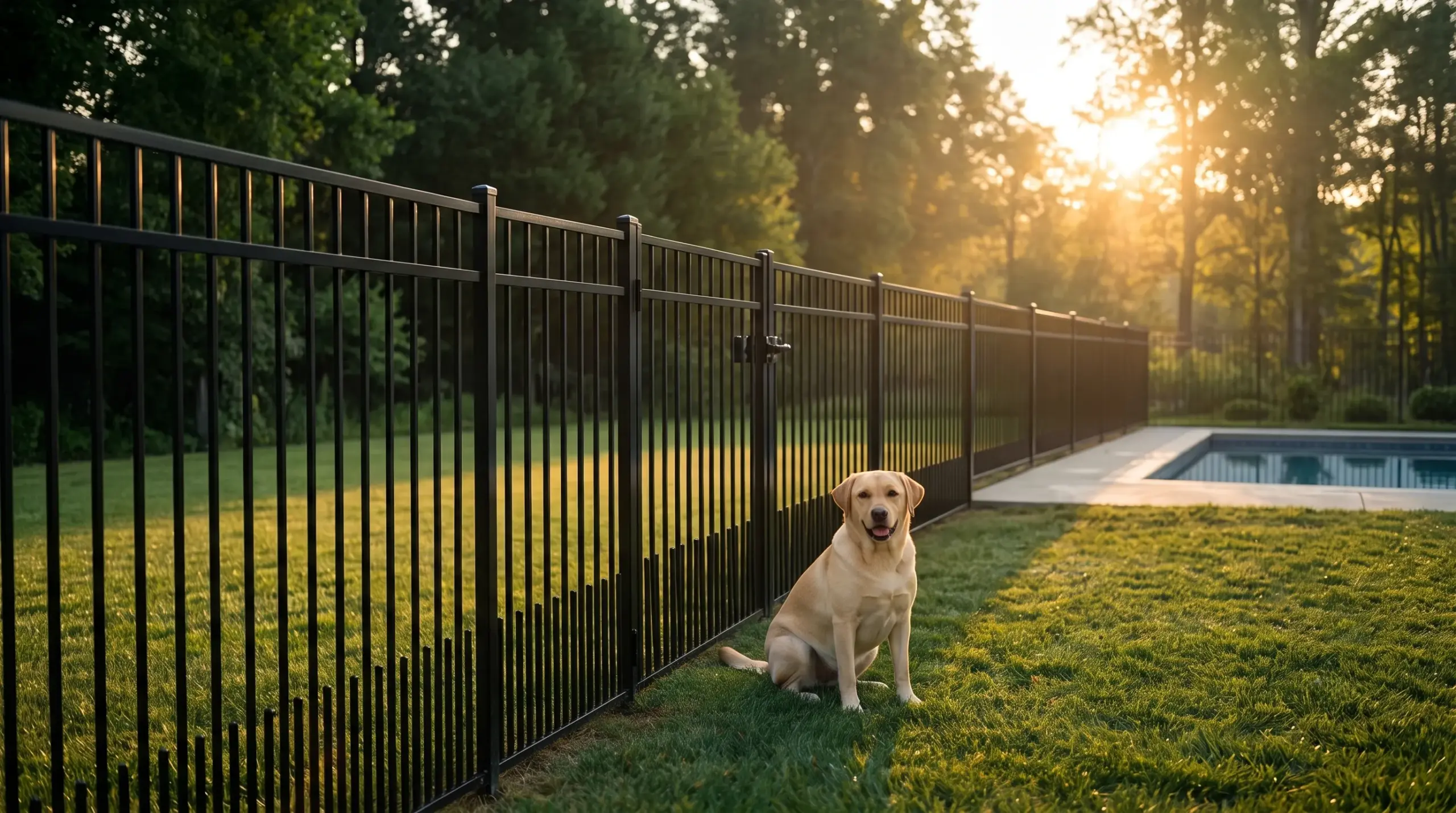
Keeping your furry best friend safe and happy in your yard is a top priority for any pet owner. But if you have an energetic dog, or an unstoppable digger, keeping them secure can feel like a full-time job.
Standard yards often present hidden hazards. Low fences invite escape attempts. Gaps between pickets create dangerous pinch points. Outdated materials splinter, rust, or degrade under constant exposure to weather and paws.
Choosing the right barrier is not just about keeping your dog inside the yard. It is about creating a stress-free environment where your pet can play freely while you relax with total peace of mind.
In this comprehensive guide, we will break down everything you need to know to select the ultimate pet-friendly fence. Explore top materials, height requirements, and custom safety features designed to protect your dog for years to come.
What Makes a Fence Good for Dogs?
Not all fences are created equal, especially when it comes to canine companions. To find the best fence for dogs, you need to evaluate key structural factors that balance security, comfort, and durability.
Here are the core criteria every dog owner must consider before installing a new fence:
- Security & Gap Control: Dogs are masters at escaping. Small dogs can slip through gaps as narrow as three inches, while larger dogs can push through flexible materials. A reliable dog fence must feature tight panel integration with zero dangerous gaps at the bottom or between pickets.
- Optimal Height: The height of your fence must match your dog’s size, athletic ability, and energy level. A low barrier might work for a French Bulldog, but a German Shepherd or Husky can easily clear a four-foot fence.
- Chew and Scratch Durability: Dogs use their teeth and claws to explore their boundaries. Soft woods splinter easily and can injure your pet’s mouth or paws. Chain-link wires can bend or cut skin. Highly durable materials like heavy-duty vinyl and powder-coated aluminum resist scratching, chewing, and impact.
- Smooth, Pet-Safe Surfaces: Sharp edges, exposed nails, splinters, and rough wire mesh can cause severe injuries. A pet-friendly fence features smooth finishes, concealed hardware, and flat top rails to prevent accidental snags.
- Visual Stimulus Control: Some dogs bark incessantly at passing neighbors, cars, or other animals. In these cases, a full privacy fence eliminates visual triggers, keeping your pet calm and relaxed.
Best Fence Materials for Dogs Compared
Choosing the right material is the most critical decision in your dog fence project. Different materials offer distinct advantages depending on whether your priority is privacy, visibility, low maintenance, or budget.
Here is a quick breakdown comparing the four most popular fencing materials for dog owners:
Material | Security Level | Visibility Control | Durability | Chew & Dig Resistance | Maintenance Needed |
Vinyl Fencing | Exceptional | Total Privacy (100%) | 30+ Years | High (Won’t splinter or chew) | Virtually None (Hose wash) |
Aluminum Fencing | High | Medium Visibility | Lifetime | High (Unchewable metal) | Low (Rust-proof coating) |
Wood Fencing | Moderate | Partial to Full | 10 to 15 Years | Low (Splinters & rots) | High (Stain/seal annually) |
Chain-Link | Moderate | High Visibility | 15 to 20 Years | Low (Climbable & bendable) | Moderate (Prone to rust) |
Vinyl Fencing for Dogs
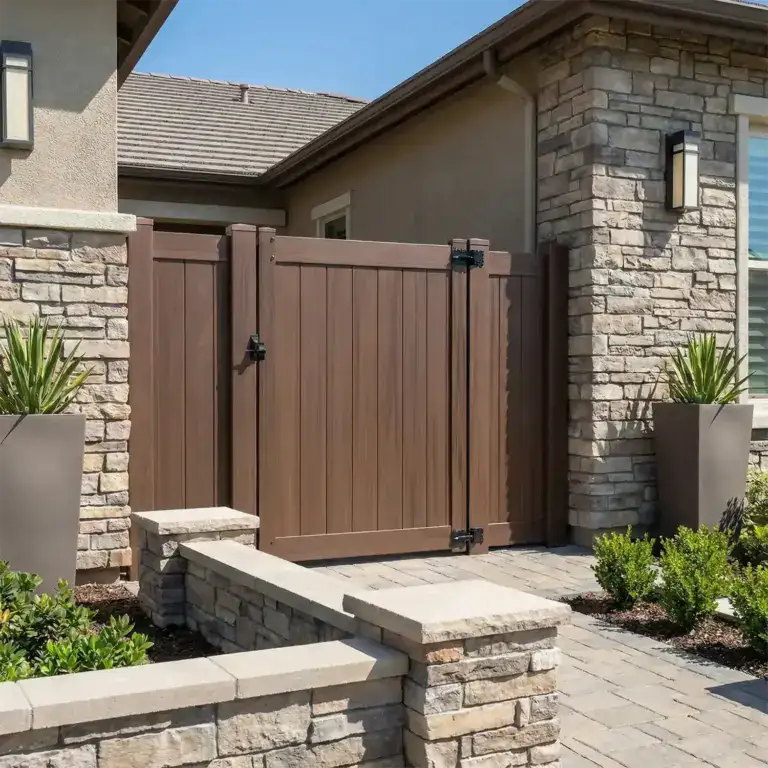
Vinyl fencing is widely regarded as one of the best overall choices for dog owners. Engineered from heavy-duty PVC, vinyl provides a smooth, non-porous surface that dogs cannot chew through, scratch, or splinter. Because high-grade vinyl panels interlock seamlessly without gaps, vinyl stops small dogs from squeezing through and prevents persistent diggers from pushing under weak bottom points.
Plus, solid vinyl panels offer complete privacy. If your dog gets easily excited, protective, or stressed by passersby, a vinyl barrier creates a peaceful sanctuary by completely blocking line-of-sight triggers.
Vinyl is non-toxic, pet-safe, and exceptionally low-maintenance. It never requires painting, staining, or harsh chemical treatments, meaning a quick spray with a garden hose easily washes away mud and paw prints to keep it looking brand new.
Aluminum Fencing for Dogs
If you want to maintain open views and natural breezes while keeping your yard secure, aluminum fencing is an outstanding solution. High-grade powder-coated aluminum is completely rust-proof, scratch-resistant, and virtually unchewable, making it ideal for dogs that tend to bite or claw at perimeter boundaries.
Unlike chain-link, heavy-duty aluminum pickets do not bend or deform under impact or pressure from larger dogs. Aluminum fences are perfect for yards where visibility is desired, such as securing a pool perimeter or keeping an eye on your dog while they roam freely. For smaller breeds or puppies, tight-spacing puppy pickets can be added to the lower section of the fence, effectively cutting the gap size in half to ensure tiny dogs stay safely inside without feeling fully enclosed.
How Tall Should a Fence Be for a Dog?
Selecting the correct fence height is essential for dog owners. A fence that is too short invites trouble, while an adequately sized fence provides reliable, long-term security and peace of mind. When determining fence height, always measure from the highest point of your ground, as sloped yards can lower effective fence height.
Use these general height recommendations based on your dog’s breed, size, and athletic ability:
- Small Breeds (Under 25 lbs): Fences measuring 4 feet tall are generally sufficient for low-profile breeds like Pugs, Shih Tzus, and Dachshunds. Focus primarily on eliminating bottom gaps and ground clearings rather than adding unnecessary height.
- Medium Breeds (25 to 50 lbs): A 4 to 5-foot fence works well for breeds like Corgis, Beagles, and Bulldogs. If your medium breed is particularly energetic or prone to high jumping, opting for 5 feet guarantees better protection.
- Large Breeds (50 to 90 lbs): A 6-foot fence is the gold standard for powerful breeds like Golden Retrievers, Labradors, and Boxers. This height deters standing, leaning, and jumping over the perimeter.
- Athletic Jumpers and Escape Artists: High-energy breeds like Belgian Malinois, Huskies, Border Collies, and Australian Shepherds require a 6-foot fence combined with flat top rails, smooth surfaces, or jump-deterrent extensions to prevent them from getting leverage to climb over.
Always check local municipal building codes and homeowner association (HOA) rules before finalizing your fence height. Residential limits typically cap backyard privacy fences at six feet, which aligns with recommended safety guidelines from recognized canine organizations for high-jumping breeds.
Best Privacy Fence for Dogs
Visual triggers are the leading cause of fence fighting, territorial barking, and chronic anxiety in dogs. When a dog sees people, kids, delivery drivers, or other pets walking past the yard, their natural instinct is to guard their territory. Over time, this constant stimulation creates ongoing stress for both the dog and the homeowners, often leading to destructive reactive behaviors along the property line.
A high-quality privacy fence solves this problem by creating an unbroken visual barrier. Solid vinyl panels completely eliminate sightlines, turning your backyard into a calm, secluded environment. Without constant visual distractions, reactive dogs relax, bark significantly less, and play comfortably within their secure boundaries.
Beyond blocking views, solid privacy fences also offer light noise-muffling benefits to reduce acoustic triggers from nearby traffic or noisy neighbors. They protect your pet from outside hazards by preventing stranger interaction through pickets, blocking wind-blown yard debris, and keeping stray animals from approaching your property line.
Dog Fence Ideas & Design Features
Customizing your fence with specialized safety features makes all the difference between a standard yard boundary and a truly pet-proof enclosure. Incorporating these smart design features ensures maximum safety for inquisitive pets.
Stopping Diggers & Escape Artists
Digging under the perimeter is a common escape tactic for determined dogs. To stop diggers in their tracks, install a kick plate or concrete curbing along the bottom of your fence line. Extending vinyl panels directly to ground level or embedding aluminum bottom rails near grade prevents dogs from creating crawl spaces. You can also install underground mesh barriers or decorative gravel borders along the base.
To choose the perfect combination of aesthetics and functionality, check out our guide on Choosing the Perfect Vinyl Fence Style.
Gates & Self-Latching Hardware
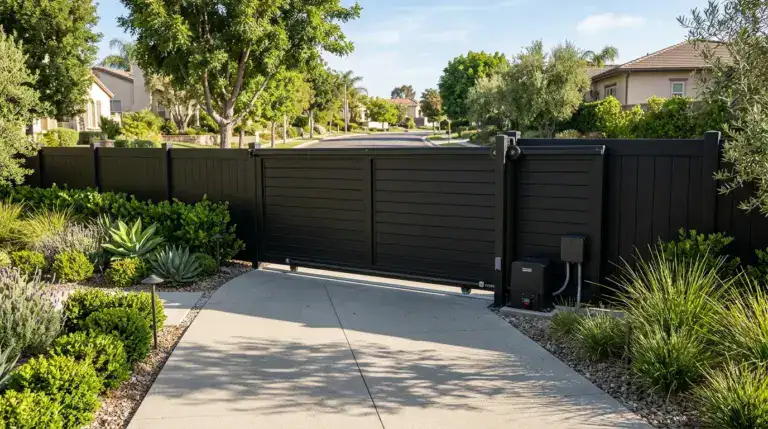
Gates are the most frequently breached points in any yard. Busy delivery drivers or family members can easily leave a gate slightly open. Upgrade your fence with heavy-duty self-closing hinges and self-latching gravity locks. Magnetic latches positioned high on the gate prevent smart dogs from opening latches with their noses or paws.
Dogs, Pools & Yard Safety in Los Angeles
Living in Southern California offers incredible sunshine and outdoor living, but Los Angeles yards present unique challenges for dog owners. The intense LA sun can quickly overheat metal surfaces, and pool safety is a critical requirement for pet-friendly homes.
In Los Angeles, municipal codes mandate secure perimeter fencing around swimming pools to prevent accidental drowning. Dogs, especially puppies or older pets with failing eyesight, can easily fall into an unprotected pool. Installing a dedicated aluminum pool fence with self-closing gates ensures your dog enjoys the yard safely, even when you are not right beside them.
Furthermore, premium vinyl and powder-coated aluminum fencing withstand LA heat and coastal moisture without cracking, warping, or rusting. They remain comfortable to the touch and require zero painting or chemical treatment, protecting your pets from toxic fumes.
Frequently Asked Questions
What is the best fence for dogs?
The best fence for dogs depends on your pet’s breed, personality and your yard layout, but solid vinyl and heavy-duty aluminum are top choices. Solid vinyl provides maximum privacy and eliminates visual triggers that cause barking. Aluminum offers incredible durability, sleek aesthetics, and excellent airflow while keeping pets fully secured.
How tall should a fence be for a dog?
For small to medium dogs, a 4-foot fence is usually adequate. For large or athletic breeds like German Shepherds and Huskies, a 6-foot fence is strongly recommended to prevent jumping escapes. Always verify your local HOA guidelines and municipal building codes before installation.
Is vinyl or aluminum fencing better for dogs?
Both materials are outstanding, non-toxic, and low-maintenance options for pet owners. Vinyl is superior if your dog barks at outside movement and requires complete visual privacy. Aluminum is ideal if you prefer open views, need pool safety compliance, or want maximum resistance against scratches.
How do I stop my dog from digging under the fence?
You can stop digging by installing bottom panels flush with the ground or adding concrete curbing beneath the fence line. Using bottom kick plates, underground mesh, or heavy landscaping stones along the border also effectively deters escape attempts.
What is the best privacy fence for dogs?
Solid vinyl fencing is widely considered the best privacy fence for dogs. It forms a seamless, gap-free wall that completely blocks sightlines to the outside world. This visual barrier dramatically reduces fence barking, territorial behavior, and pet anxiety.
Can dogs chew through a vinyl fence?
No, dogs cannot easily chew through high-grade commercial vinyl fencing. Commercial PVC is extremely tough, smooth, and rigid, offering no leverage or soft edges for dogs to bite into. Unlike wood, vinyl will never splinter, crack, or cause injuries to your pet’s mouth.
Ready To Secure Your Property ?
Work with a team that values safety, quality, and professionalism as much as you do.